

Mission Statement
My mission is to design inclusive and accessible systems that support communities by removing barriers to care, information, and participation, and by making technology feel clear, humane, and fair.
Biography
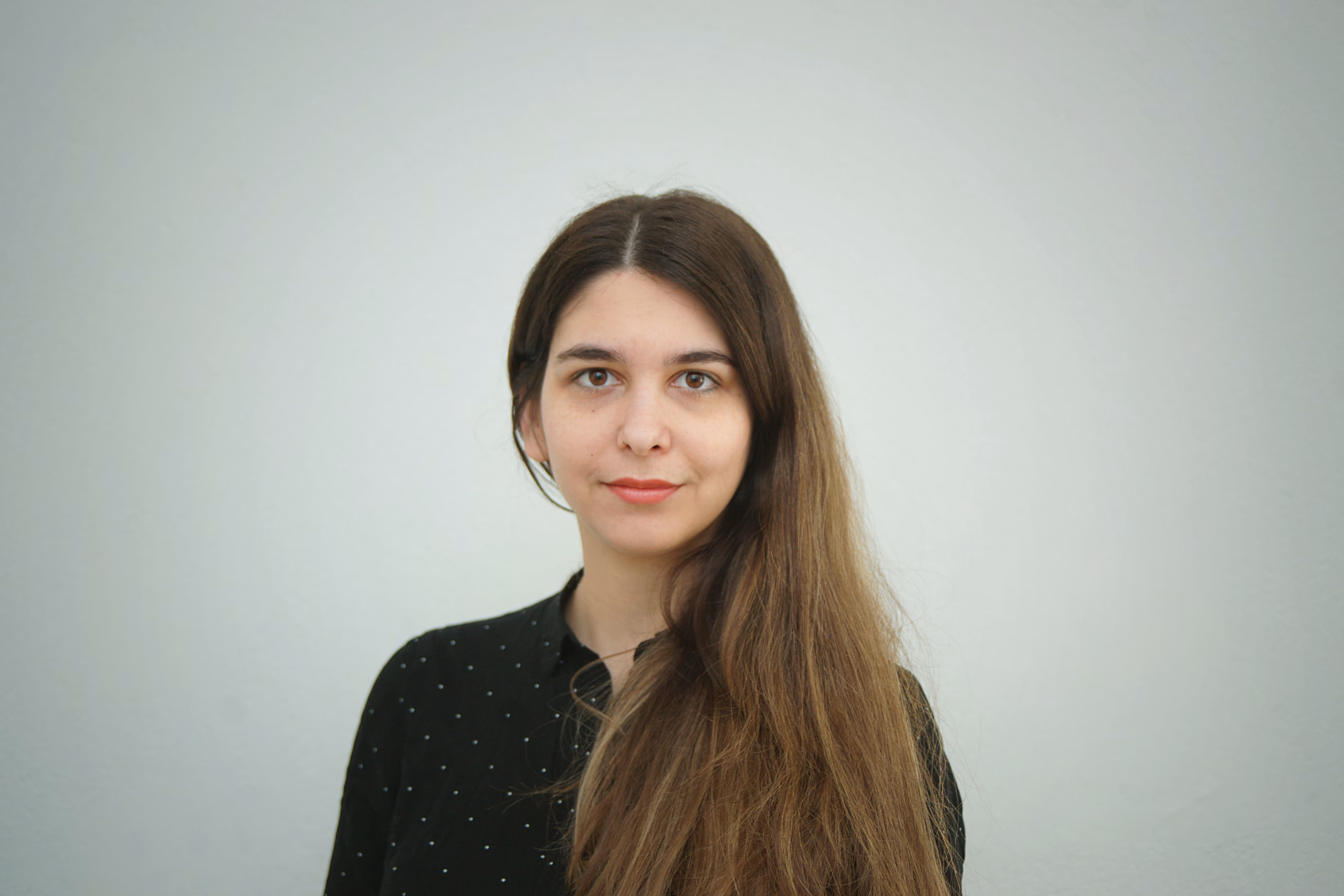
Katerina Katmada is a multidisciplinary designer and researcher working at the intersection of digital systems, accessibility, and citizen empowerment. She is currently a Product Design Lead in a health-tech company, while also pursuing a PhD on digital platforms for participatory innovation in cities and regions. With academic training in Computer Science, Informatics, and Strategic Product Design, she brings technical expertise and human-centered thinking into everything she builds.
Her professional experience spans product design roles in startups and larger companies, community initiatives, and EU-funded research, including work at the Centre for Research & Technology Hellas (CERTH), where she contributed to platforms for citizen engagement, crowdsourcing, and data visualization. She approaches design as both a social and technical practice—one that must reduce barriers, invite participation, and empower diverse communities. Through her work, she explores how digital products and platforms can become tools for equity, clarity, and inclusion rather than complexity and exclusion.
Questionnaire
Where do you want to foster change and why?
In public-facing digital systems, where participation and transparency build trust, inclusion, and shared ownership.
What or who influenced you during your professional career?
Real users, great teams, and the work of thinkers like Don Norman and Dieter Rams have shaped my view that good design must be human, honest, and grounded in responsibility.
We all have those significant moments or situations (success or failure); which one was yours, and what did you learn from it?
As a student, I built a small learning game for primary school children. Testing it in schools was challenging but deeply rewarding. The children’s ideas were unexpected and brilliant. It taught me that real insight comes from listening, and that design works best when people help shape it. This later led me to focus my work on participation and inclusion in design.